
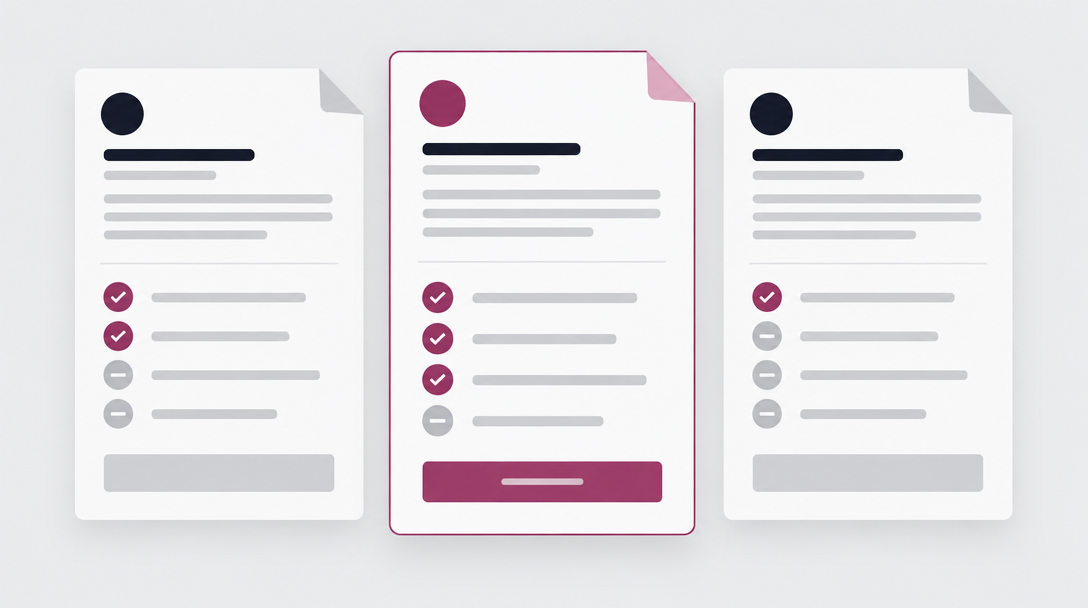
Receiving three or four property management proposals can feel like comparing apples to oranges. One company quotes a percentage of rent, another a flat monthly fee, and a third sends a long document with its own format. Without a common method, the cheapest headline rate often wins, even when it is not the best deal.
A side-by-side comparison fixes that. When every proposal is measured against the same assumptions, you can see which manager offers real value.
Start by Defining Your Property's Needs
Before you request proposals, write down what you need. Include the number of units, current rent levels, expected occupancy, the property's age and condition, and the services you expect, such as tenant screening, rent collection, maintenance coordination, and owner reporting.
These details give every manager the same brief. They also make it easier to tell whether a proposal actually fits your property.
Build a Common Comparison Table
Create a simple table with one column per manager and one row per item. Useful rows include:
- Base fee and how it is calculated
- Leasing or tenant placement fee
- Renewal fee
- Maintenance markup or handling fee
- Project or capital improvement fee
- Setup or onboarding fee
- Minimum monthly charges
- Contract length and termination terms
- Reporting frequency and owner portal access
- Response time commitments
Fill in every row for every proposal. Gaps are a signal to follow up in writing.
Model the Total Cost
Once the table is complete, run a simple cost estimate for each manager using the same inputs. Assume your monthly rent, expected vacancy, typical turnover, and a reasonable annual repair budget. Then calculate the approximate yearly cost for each proposal.
This step often changes the ranking. A manager with a higher base fee may cost less overall if the others charge heavy leasing or maintenance markups. A manager with a low fee may cost more if turnover is high.
Compare Service Commitments, Not Just Price
Price tells you what you will pay. Service commitments tell you what you will get. Look for specifics:
- How quickly will the manager respond to tenant maintenance requests?
- Who is your day-to-day contact?
- How often will you receive statements, and what do they include?
- How is the manager's performance measured?
Vague promises such as "excellent service" are harder to hold a company to. Concrete commitments are easier to compare and enforce.
Check Proposal Terms Before You Choose
Scan each proposal for the terms that matter most: length of initial contract, notice required to terminate, early termination penalties, and how security deposits are handled. Our guide to red flags in property management agreements covers the clauses worth reviewing in detail.
Ask Follow-Up Questions in Writing
Send the same set of questions to every manager. Good questions include:
- What exactly does the base fee cover?
- Which services are billed separately, and at what rates?
- How do you handle vacancy periods and fees during a vacancy?
- Can you share references from owners with similar properties?
- What happens to my records and deposits if I end the contract?
Compare the answers side by side. Clear, consistent responses are a good sign. Delays or evasion deserve attention.
Decide With Evidence
Once you have a complete comparison, choose the manager whose total cost, service commitments, and terms best match your property's needs. Document your reasoning. This makes the decision easier to explain to co-owners and gives you a baseline for measuring performance later.
Make Comparison Easier
Comparing proposals manually takes time, especially across multiple managers. Proplexa gives owners one workspace to publish a mandate and receive transparent, side-by-side proposals from vetted property management companies, so the comparison is built in from the start. No pressure, no commitment.